
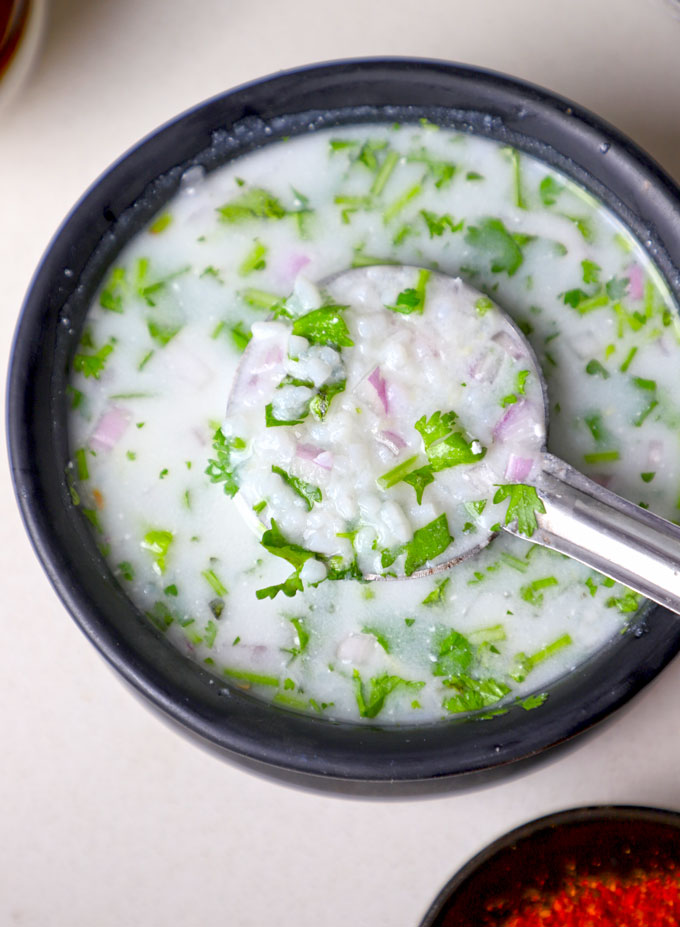
To handle the Indian summer, a bowl of Pazhaya Sadam (literally “old rice”), commonly known as Rice Kanji is one of the best natural probiotics.
Jump to:
In Tamil Nadu and many other parts of India, rice kanji isn’t just a “leftover makeover”— it’s a probiotic powerhouse often referred to as the “elixir of the farmers.” Also known as Ganji Annam, ice biryani, or the neer sadham.
Historically, it provided the sustained energy and hydration needed for a long day in the fields. Today, it’s being rediscovered by nutritionists as a natural gut-health remedy.
The Science of Soaking
When you soak cooked rice overnight, a natural fermentation process begins. This breaks down the anti-nutrients (like phytic acid) and significantly increases the availability of minerals.
The star of the show here is the probiotics—the “good bacteria” that flourish during the 8–12 hour soak, making this dish a soothing balm for the digestive system.
Looking for more Healthy Recipes?
Why You Should Try It?
- Energy Boost: Prevents the “afternoon slump” by providing a steady release of energy.
- Natural Probiotic: Cheaper, easy to make and highly effective.
- Body Coolant: Regulates internal temperature during hot months.
Ingredients You’ll Need
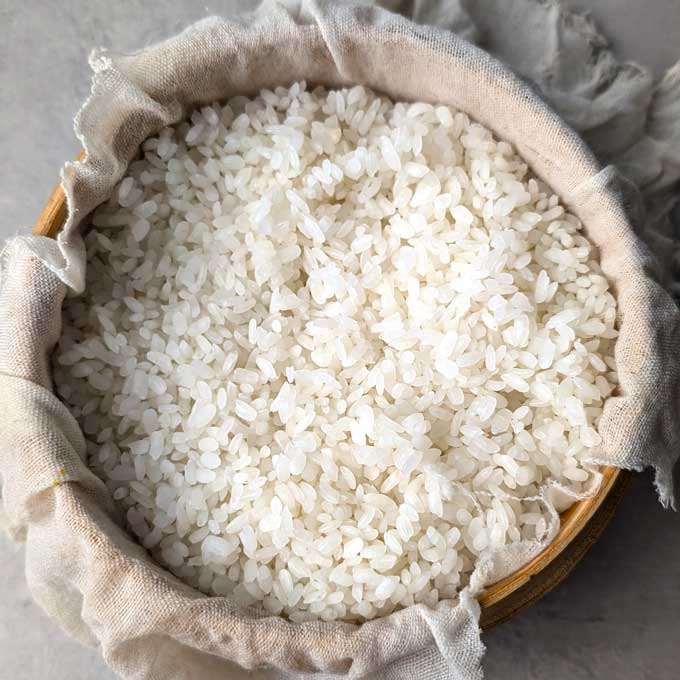
- Cooked Rice preferably short-grain varieties like Ponni or traditional Mapillai Samba with good amount of natural starch.
- Buttermilk (Indian chaas), slightly sour is best.
- Small Onions (Shallots), crushed or finely chopped, as they help in preventing heat strokes.
- Green Chilli and Ginger, for a spicy kick and boost the Vitamin C.
- Curry Leaves and Coriander Leaves for the freshness.
- Salt to taste (add only before serving). But it is an optional ingredient.
How To Make Rice Kanji
1. The Overnight Soak (The Magic Phase)
- Take your leftover cooked rice and place it in a clay pot (traditional) or a ceramic bowl.
- Add clean, drinking water until the rice is submerged by at least an inch.
- Cover it with a lid or a thin muslin cloth and leave it on your kitchen counter overnight (approx. 8–10 hours).
Note: Avoid using stainless steel for the long soak if possible; clay pots maintain the perfect temperature for fermentation.
2. The Morning Prep
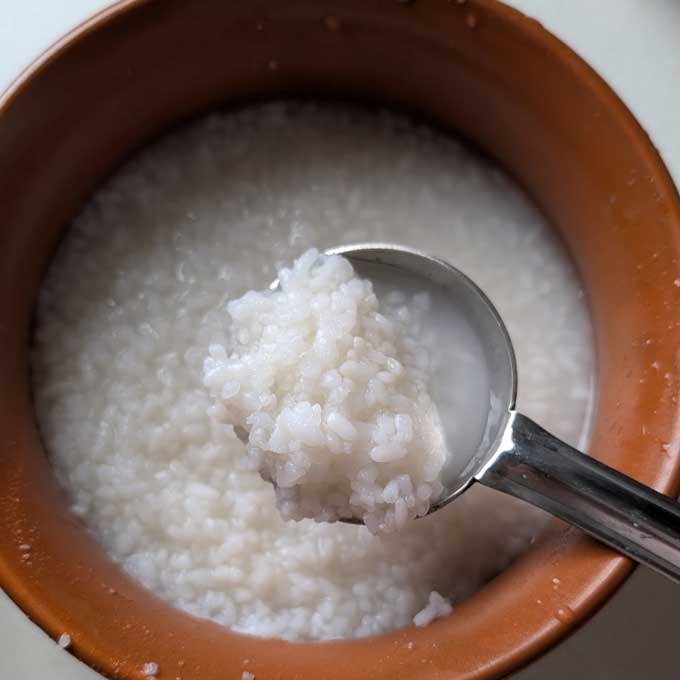
- The next morning, you’ll notice the water has turned slightly opaque, bubbly, frothy, and slightly tangy. Do not drain this water!
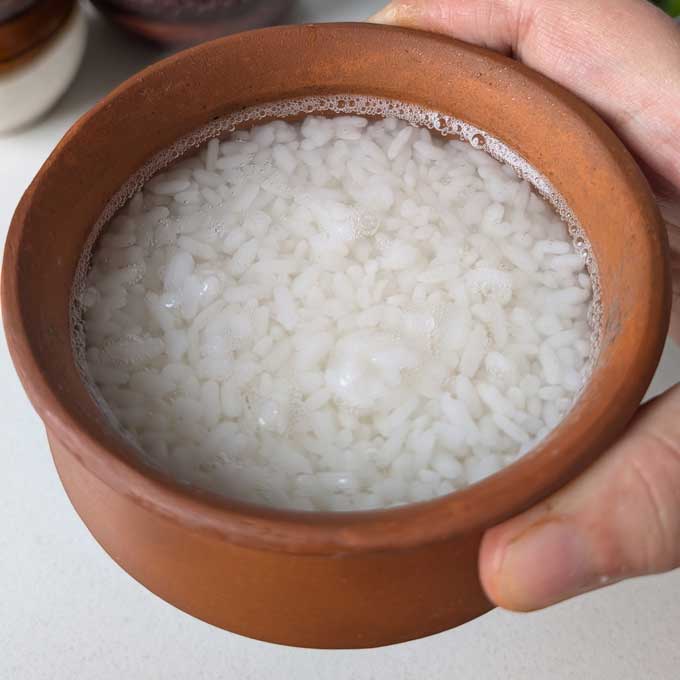
- Using clean hands, gently mash the rice into the water. The goal is to break the grains slightly to release the starches and create a slightly thick consistency.
3. The Flavouring
- Whisk the buttermilk and stir it into the rice mixture.
- Add the crushed shallots, green chilli, and ginger. They provide a sharp, sweet crunch and are excellent for lowering body heat.
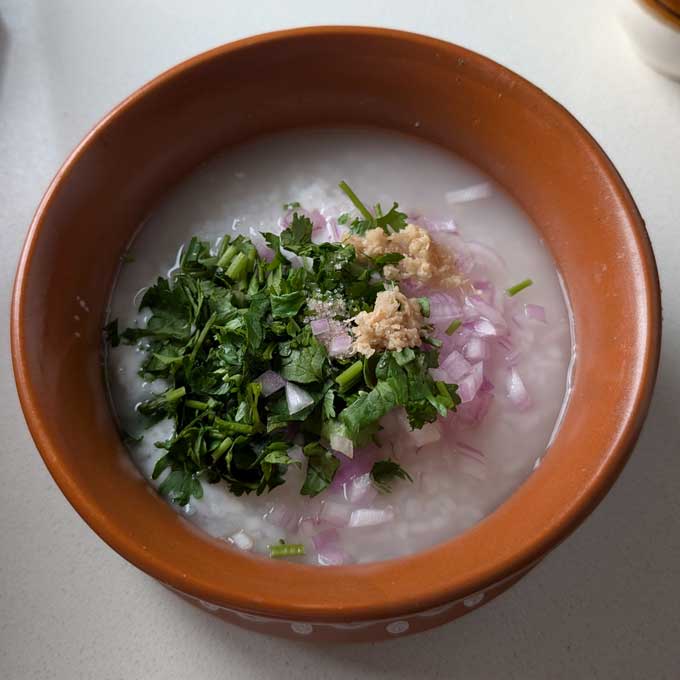
- Add chopped curry leaves, coriander leaves, and salt.
- Mix nicely. Serve rice kanji immediately.
Watch Rice Kanji Video
Best Side Pairings
In Tamil households, Rice Kanji is rarely eaten alone. To complete the experience, serve it with:
- Mor Milagai: Sun-dried chillies soaked in curd and deep-fried.
- Pickles: Specifically Maavadu (baby mango pickle) or lemon pickle.
- Small Onions: Extra raw shallots on the side for that authentic crunch.
- Fried Fish: For a non-vegetarian twist common in coastal Tamil Nadu.
Are you looking for a wholesome summer breakfast like Neeragaram – try Fermented Ragi Ambali, Amaranth Porridge Bowl, or the Mango Chia Pudding.
follow us on Youtube and Instagram for video recipes.
Rice Kanji Recipe
To handle the Indian summer, a bowl of Pazhaya Sadam (literally "old rice"), commonly known as Rice Kanji is one of the best natural probiotics.Save Print Pin RateServings: 2 adultsCalories: 169kcalIngredients
- 1 Cup cooked rice
- 1 Cup water, at room temperature
- ½ Cup buttermilk (Indian Chaas)
- ¼ teaspoon salt or to taste
- 4 – 5 shallots (sambar onion)
- ½ inch ginger, chopped
- 1 green chilli, chopped (optional)
- 1 sprig curry leaves
- handful of fresh coriander leaves, chopped
Instructions
Recipe Notes:
- Pro-Tip: The more potent the probiotic benefits—just ensure it smells fresh and fermented, not spoiled!
- Use non metallic, non reactive pot for soaking the rice for fermentation.
- Rice should not be warm or hot while soaking for fermentation nor it should be from the refrigerator. It should be cooled at room temperature before the soaking process.
- Don’t use highly processed rice like basmati as they do not have enough nutrients or the starch.
- Rice Kanji is meant for eating fresh. Hence, this is not a fridge friendly recipe. Do not store kanji in the refrigerator.
- Best time to consume it is either breakfast or lunch.
Nutrition
Calories: 169kcal | Carbohydrates: 36g | Protein: 6g | Fat: 0.3g | Saturated Fat: 0.1g | Polyunsaturated Fat: 0.1g | Monounsaturated Fat: 0.1g | Cholesterol: 1mg | Sodium: 433mg | Potassium: 202mg | Fiber: 3g | Sugar: 8g | Vitamin A: 40IU | Vitamin C: 27mg | Calcium: 42mg | Iron: 1mgIf you try this recipe, please leave a comment and a rating. This helps us grow and reach more food lovers like you.



Leave Your Rating & Comment